23 Oct
Unlocking Sustainable Peroxide Stability with Tetrasodium Iminodisuccinate in European Applications
The Challenge of Hydrogen Peroxide Stabilization in European Industries
Hydrogen peroxide (H₂O₂) remains an indispensable workhorse across numerous European industries, valued for its potent oxidizing power, bleaching efficacy, and environmentally benign decomposition into water and oxygen. From pulp bleaching in Scandinavian paper mills to textile processing in Northern Italy and wastewater treatment across the continent, its utility is unmatched. However, maintaining peroxide stability during storage and application presents a persistent technical hurdle. Decomposition, accelerated by trace metal ions like iron (Fe³⁺) and copper (Cu²⁺) ubiquitous in water and process streams, undermines efficiency, inflates costs, and necessitates higher initial concentrations or frequent replenishment. This challenge demands high-performing stabilizers tailored to Europe's stringent regulatory landscape and sustainability priorities. Enter Tetrasodium Iminodisuccinate (IDS-4Na), an advanced, readily biodegradable chelating agent emerging as a superior solution for stabilizing hydrogen peroxide under diverse operational conditions.
Tetrasodium Iminodisuccinate (IDS-4Na): A Superior Green Chelating Agent
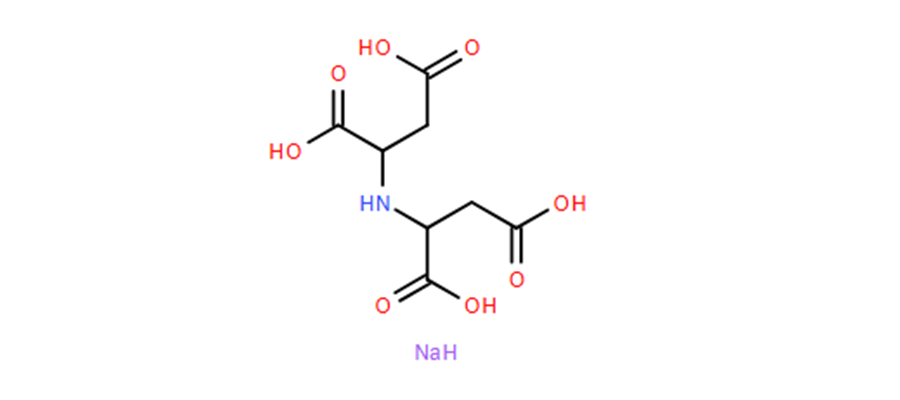
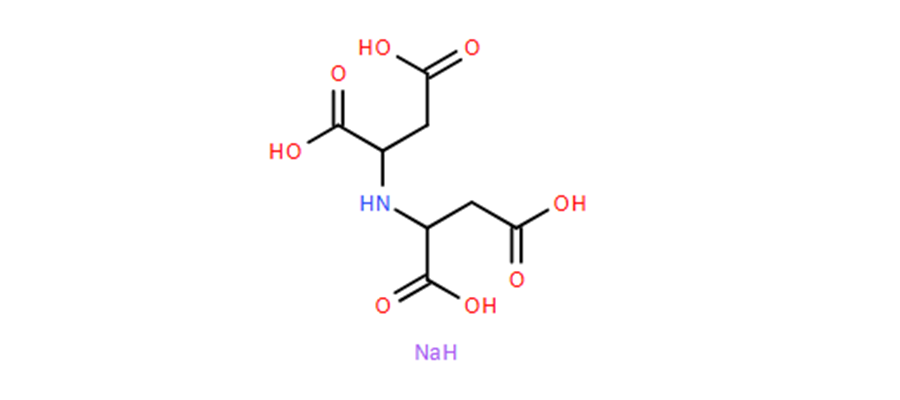
Unlike conventional stabilizers such as phosphonates or silicates, which often face regulatory scrutiny or ecological concerns, IDS-4Na embodies the principles of Green Chemistry crucial for the European market. Its molecular structure features multiple carboxylic acid groups strategically positioned to form exceptionally stable, water-soluble complexes with catalytically active transition metal ions – primarily Fe³⁺, Cu²⁺, and Mn²⁺ – responsible for catalyzing H₂O₂ decomposition into water and oxygen. By effectively sequestering these ions, IDS-4Na prevents their participation in free radical generation chain reactions that rapidly consume peroxide, significantly slowing the degradation kinetics and extending active life. The formation of stable metal chelates renders these ions chemically inert towards peroxide decomposition pathways.
Key Benefits of Using IDS-4Na as a Peroxide Stabilizer
The performance advantages of IDS-4Na as a peroxide stabilizer translate into tangible benefits for European processors:
Enhanced Process Efficiency: Consistent peroxide activity ensures predictable bleaching results in textiles and pulp, reduces process variability in chemical synthesis, and maintains reliable disinfection efficacy, leading to fewer production interruptions and reprocessing needs.
Reduced Chemical Consumption: Minimized H₂O₂ decomposition permits lower initial dosing to achieve the same result, directly lowering raw material costs and reducing the environmental load associated with transport and handling.
Improved Product Quality: In applications like hair bleaching formulations or paper pulp bleaching, stable peroxide levels help avoid under- or over-bleaching, ensuring consistent colour quality and meeting stringent final product specifications.
Extended Shelf-Life: Formulators of cleaning, disinfection, and personal care products incorporating H₂O₂ benefit from significantly prolonged shelf stability, especially critical in sectors demanding long storage periods.
Environmental Compliance and REACH Approval in the EU
A cornerstone of IDS-4Na’s European appeal is its exceptional environmental and toxicological profile. Meeting OECD 301F criteria, it undergoes rapid and complete ultimate biodegradation across various environments (marine, freshwater, sewage treatment plants), minimising any risk of persistent accumulation. Its aquatic toxicity is remarkably low, reflected in favourable eco-toxicity classifications under the EU Classification, Labelling and Packaging (CLP) Regulation (EC) No 1272/2008. Crucially, IDS-4Na fulfils the rigorous requirements for approval under the EU REACH Regulation (EC) No 1907/2006, holding listings on the REACH Candidate List and Authorisation List, assuring compliance for its manufacture and use within the European Economic Area. Its phosphate-free and NTA-free nature aligns perfectly with regulatory trends restricting or discouraging such compounds.
Application and Dosing Guidelines for IDS-4Na
The practical deployment of IDS-4Na as a stabilizer requires consideration of specific process conditions. Its effectiveness is demonstrably concentration-dependent and varies with temperature, pH, and the initial concentration of metal ion contaminants present. Optimal performance is typically achieved within the range of 0.05% to 0.5% by weight of the active peroxide solution, necessitating specific evaluation based on individual application parameters. While excelling in circumneutral to alkaline conditions, its inherent stability across a wide pH range (compatible from ~pH 3 up to strong alkaline conditions) offers significant formulation flexibility compared to silicate alternatives. Performance is robust even at elevated temperatures common in industrial processes. Compatibility studies indicate good stability with most common surfactants, builders, and polymer additives. Its excellent water solubility ensures easy integration into aqueous formulations without precipitation or handling issues.
Implementation is straightforward. IDS-4Na is typically introduced as a solution directly into the hydrogen peroxide formulation or bleach bath during makeup, ensuring uniform distribution prior to the addition of peroxide or initiation of the process step. Accurate dosing equipment calibrated to the specific stabilizer concentration and peroxide levels is recommended for consistent results. European manufacturers benefit from readily available technical data sheets and support from suppliers experienced in navigating regional requirements.
The Future of Peroxide Stabilization: Aligning with EU Sustainability Trends
European industrial trends firmly favour sustainable innovation. The replacement of less favourable stabilizers like phosphonates (under regulatory pressure due to eutrophication concerns) or EDTA (classified as Substance of Very High Concern, SVHC, under REACH) is accelerating. IDS-4Na stands out as a readily accepted, high-performance alternative offering robust peroxide stabilization without environmental or regulatory baggage. Its low ecotoxicity combined with strong chelating performance makes it an essential component for manufacturers seeking both process excellence and ambitious sustainability goals. Continuous R&D efforts by producers further refine its application profiles and expand possibilities across various H₂O₂-dependent processes.
In conclusion, Tetrasodium Iminodisuccinate delivers a compelling technical and environmental proposition for hydrogen peroxide stabilization. Its potent metal ion sequestration capability significantly enhances peroxide stability across vital European industrial sectors including textile processing, pulp and paper bleaching, cleaning and disinfectant formulation, chemical synthesis, and wastewater treatment. When coupled with its outstanding biodegradability, favourable eco-toxicity, and full compliance with the demanding EU REACH framework, IDS-4Na represents the future-forward solution. For businesses operating within Europe seeking reliable, high-performance peroxide stabilization aligned with stringent sustainability mandates and circular economy principles, embracing IDS-4Na translates into tangible competitive advantage and responsible industrial stewardship.
最新新闻
Need help
Prefer speaking with a human to filling out a form? call corporate office and we will connect you with a team member who can help.